Packages & Memberships
Skip to content
Packages & Memberships
Skip to content 
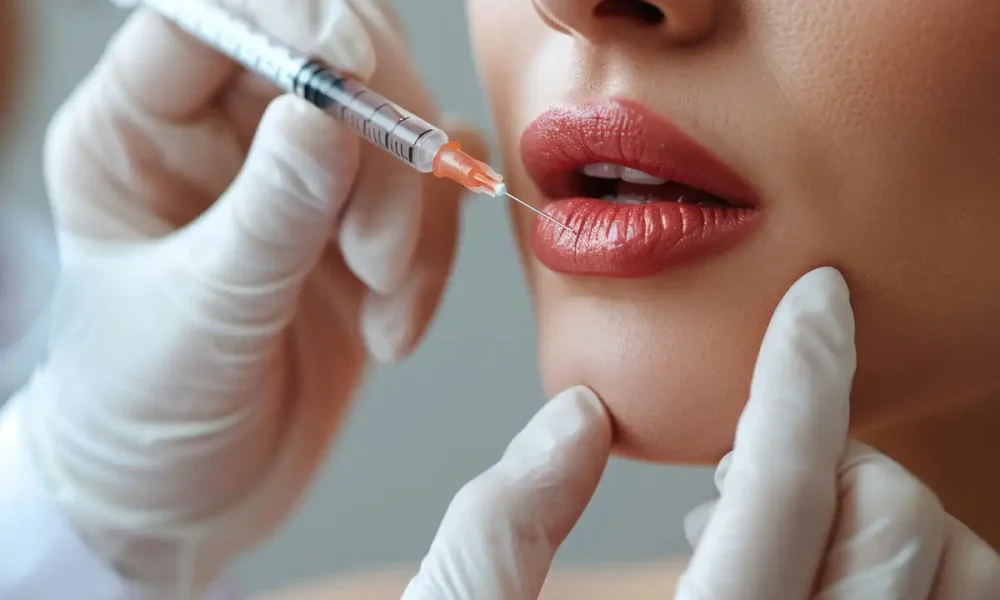
Table of Contents
Botox is one of the trusted aesthetic treatments for smoothing wrinkles and refreshing the face. But its real power lies in how precisely it works beneath the skin. This post will explain the science behind Botox. It will provide you with the necessary information to understand that Botox remains a top neurotoxin injectable today.
Understanding Botox Beyond the Surface
Essentially, Botox is a refined neurotoxin derived from botulinum toxin type A. In aesthetic medicine, it is administered in extremely small and controlled doses. The treatment can influence specific muscle activity. It achieves this effect without affecting surrounding tissues or overall facial function.
The purpose of Botox is not to alter the skin directly. Instead, it works beneath the skin where it can target muscle behavior. This distinction is essential for understanding why Botox is so effective for expression-related wrinkles. It also explains why it must be administered with anatomical precision.
When patients refer to Botox for facial lines, they are describing a treatment that can address specific muscle movements. These are responsible for producing facial lines to begin with.
Facial Movement and the Formation of Wrinkles
Our facial expressions heavily rely on a network of muscles. These are attached directly to the underside of the skin. Every smile, squint, or furrowed brow triggers repeated muscle contractions. Over time, these movements cause the skin to fold in predictable patterns.
In younger skin, collagen and elasticity allow those folds to bounce back smoothly. As collagen production slows with age, the skin becomes less resilient. Those lines that once appeared during expression begin to linger, eventually visible at rest.
This is the foundation of dynamic wrinkles. Wrinkles that include forehead lines, frown lines between the eyebrows, and the crow’s feet around the eyes. Botox wrinkle treatment is specifically designed for these movement-driven lines.
The Botox Mechanism of Action Explained Simply
The mechanism of action os Botox revolves around nerve communication. Under normal circumstances, nerves release a chemical messenger that signals muscles to contract. Botox, on the other hand, temporarily blocks the release of that messenger at the injection site.
When this signal is interrupted, the targeted muscle cannot contract with the same strength or frequency. The muscle then relaxes, and the skin above it smooths out as a result.
What Happens During the Botox Injection Process
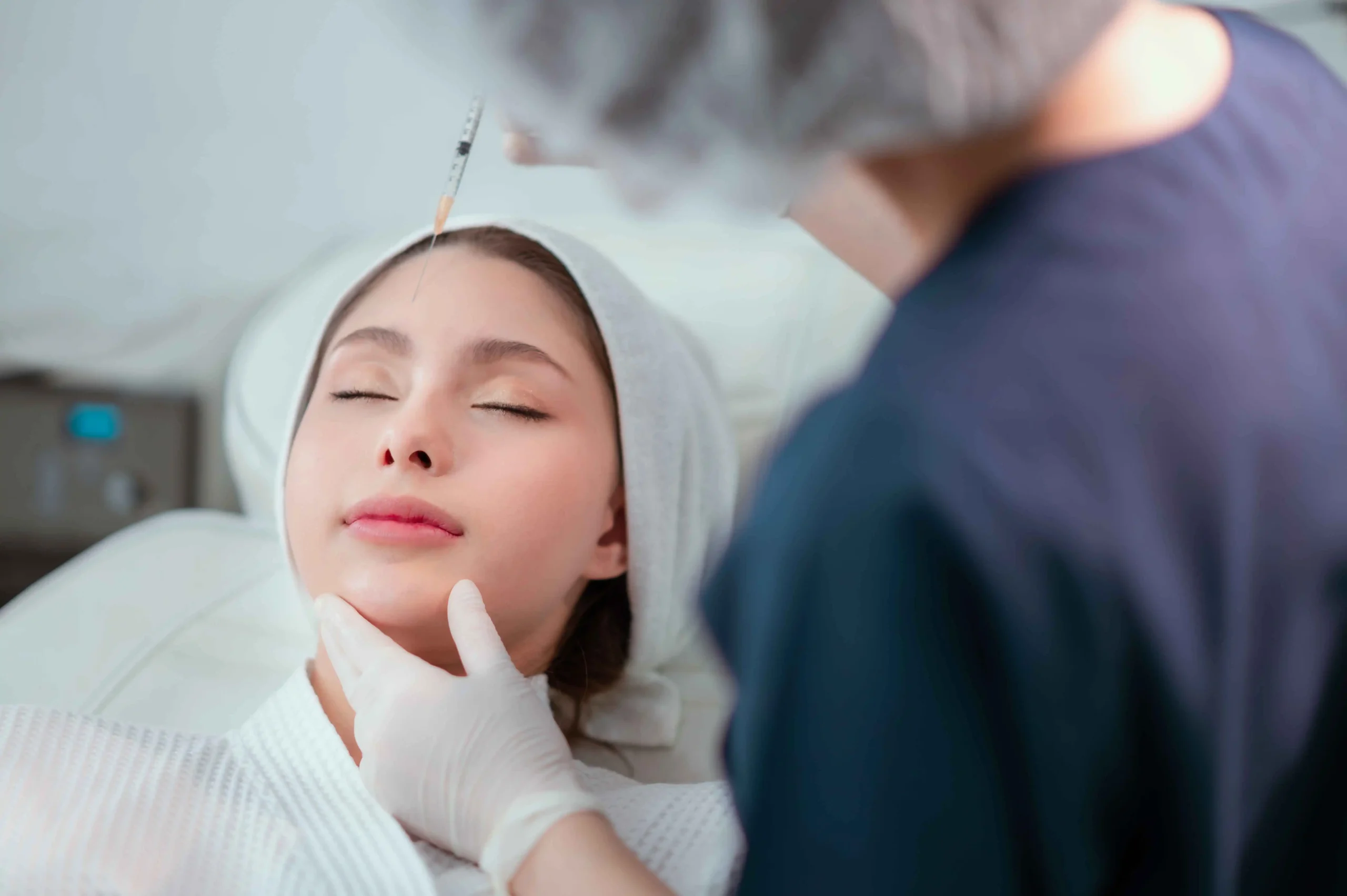
The Botox injection process is quick and straightforward. It typically takes only a few minutes.
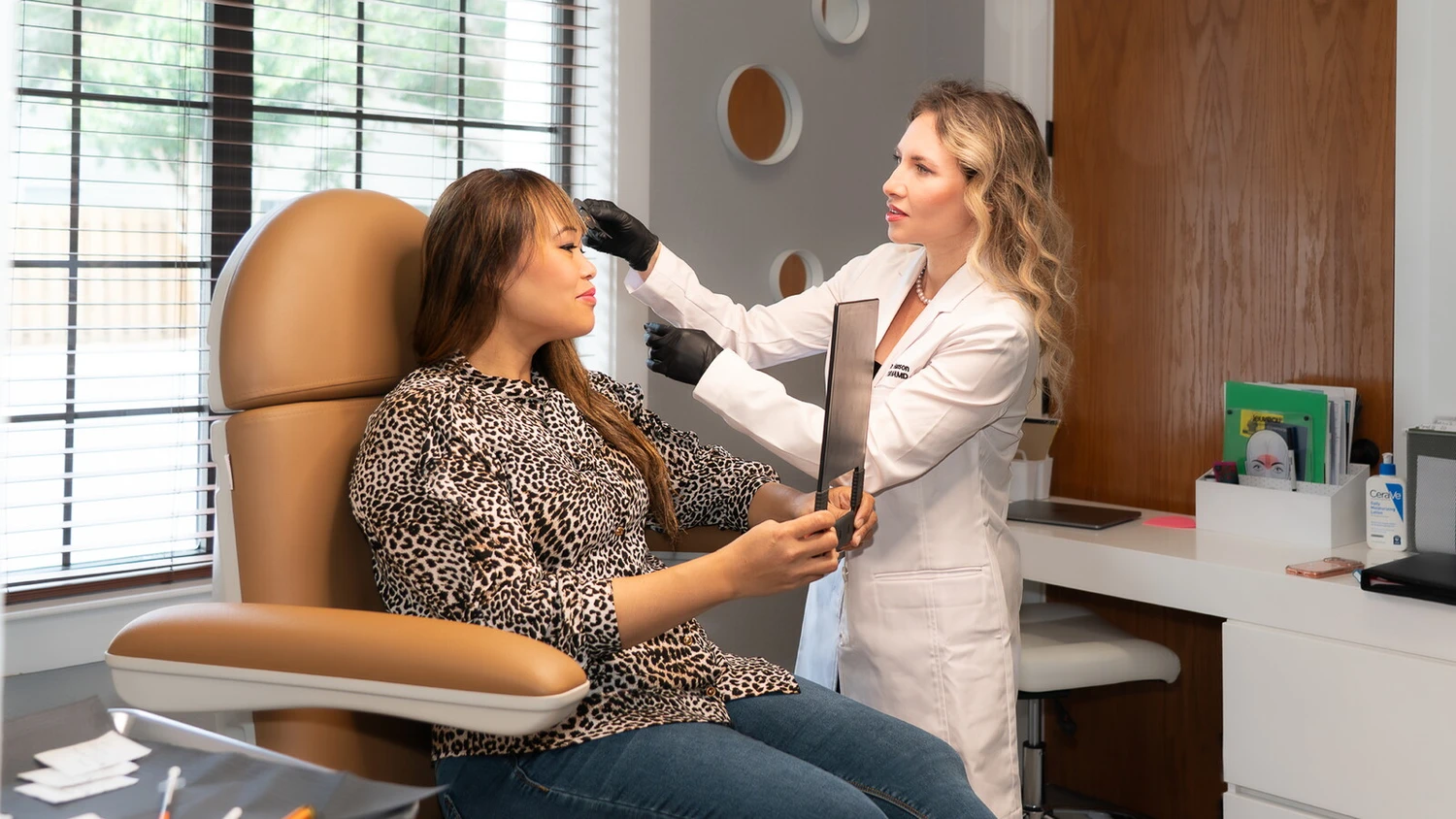
During the appointment, the Botox provider will evaluate the patient’s facial. Here, the patient will be requested to make specific expressions. The assessment helps determine precise injection points and appropriate dosing.
A fine needle is used to administer small amounts of Botox into targeted muscles. Most patients describe the sensation as mild and brief. Anesthesia is not required. Also, there is minimal downtime afterward.
Because Botox works gradually, results will develop over several days. The delayed response allows the face to adjust naturally. This is believed to contribute to a softer, more refreshed appearance rather than an abrupt change.
Why Botox Results Look Natural When Done Correctly
Natural results from a Botox treatment depend on moderation and expertise. Botox does not erase expression. Instead, it reduces excessive muscle activity that contributes to deep creasing. When dosing and placement are tailored to the patient, facial movement remains balanced and expressive.
A skilled Botox provider considers muscle strength, facial symmetry, and how various facial areas interact during movement. This approach ensures that Botox enhances appearance without creating stiffness or imbalance.
This is one of the reasons personalized treatment plans are essential, especially for patients looking for subtle improvements over dramatic change.
How Long Botox Takes to Work and Why Timing Matters
It is important to emphasize that Botox does not produce immediate results. Most patients notice changes within three to five days. Full results can become visible around two weeks after the treatment. This timeframe reflects the gradual reduction of nerve signaling rather than an instant shutdown.
Results typically last three to four months. Over time, nerve pathways regenerate, explaining how muscle activity returns. With consistent treatments, some patients notice that their muscles become easier to relax. This effect can help maintain results with regular maintenance sessions.
Understanding this timeline helps set realistic expectations and reinforces the importance of Botox follow-up care.
Botox Uses Beyond Wrinkle Reduction
While cosmetic uses are the most recognized application of Botox, this neurotoxin also has a wide range of medical benefits.
It is commonly used to treat chronic migraines, excessive sweating, jaw tension, and muscle spasms. These uses rely on the same underlying principle of reducing overactive muscle or nerve activity.
The versatility of Botox treatments highlights the depth of research behind this aesthetic injectable. It also explains why it has remained a trusted treatment for decades.
The Role of Anatomy and Experience in Treatment Success
Facial anatomy varies significantly from patient to patient. Muscle size, strength, and placement differ based on genetics, age, and lifestyle factors. A standardized approach to Botox rarely produces optimal results.
Experienced providers understand these variations and adjust the treatment plans accordingly. They also know when a lighter touch is needed and when stronger muscles require more support. This level of customization is what separates refined results from generic outcomes.
For patients considering Botox in Destin, FL, choosing a provider with advanced training and a strong understanding of facial anatomy is essential.
VIVANAMD Neurotoxins in Destin, FL
At VIVANAMD, neurotoxin treatments are approached with precision, education, and patient-centered care. Neurotoxins are a non-surgical cosmetic treatment designed to reduce wrinkles and fine lines by temporarily blocking nerve signals that trigger muscle contractions. When targeted muscles relax, the skin above them appears smoother and more youthful.
This treatment is commonly used for dynamic wrinkles such as frown lines, crow’s feet, and forehead lines. Neurotoxins can also address concerns beyond aesthetics, including excessive sweating, migraines, and certain muscle disorders.
Schedule Your Personalized Botox Session.
Frequently Asked Questions
How does Botox help reduce wrinkles?
Botox reduces wrinkles by relaxing the facial muscles responsible for repeated expressions that cause dynamic lines to form over time.
How is Botox different from biostimulators?
Botox works by temporarily relaxing muscle movement, while biostimulators improve skin quality by stimulating collagen production within the skin itself.
How long does it take to see results after a Botox treatment?
Most patients begin noticing smoother skin within a few days, with full results developing gradually over about two weeks.
Will Botox make my face look frozen?
When administered by an experienced provider, Botox softens lines while allowing natural facial movement and expression.