Skip to content

Table of Contents
Botox and fillers are often mentioned together, but they are not interchangeable. The better option depends less on age and more on what is causing the wrinkle or facial change. Some lines come from repeated muscle movement. Others come from lost volume, thinner skin, or shifts in facial structure.
That is why the question is not always “Which is better?” A better question is, “Which treatment fits this concern?” Botox can soften certain expression lines by relaxing the muscles beneath them. Fillers can restore volume, smooth deeper folds, and add soft support where the face has changed over time. For some patients, one treatment is enough. For others, a careful combination may create a balanced result.
Is it safe to combine dermal fillers and Botox?
Yes, it is generally safe to combine dermal fillers and Botox when performed by a qualified provider, since Botox targets movement-related wrinkles while fillers address volume loss and facial support.

How Botox Works on Expression Lines
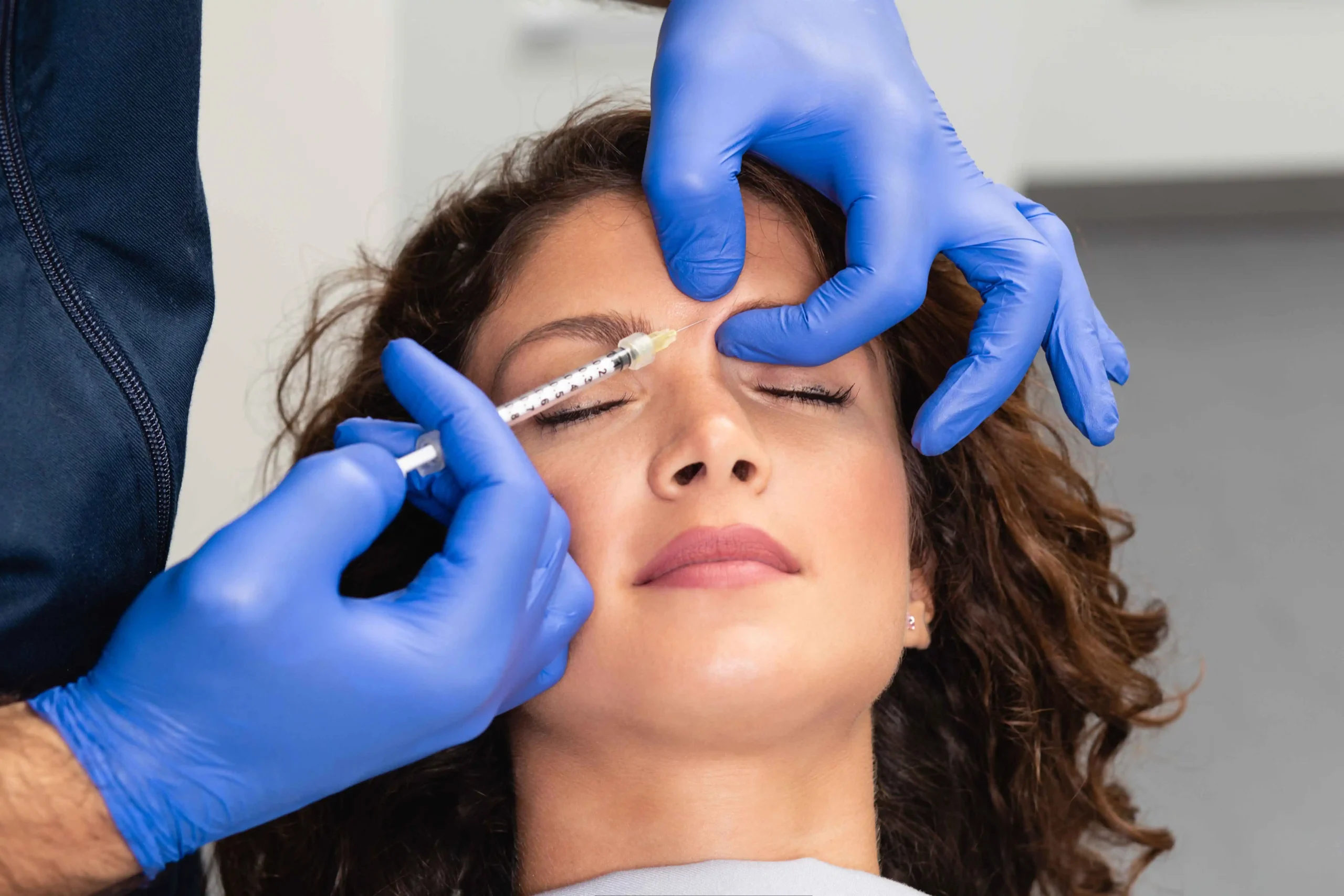
Botox is part of a class of aesthetic injectables known as neurotoxins. It is commonly used for wrinkles that form from repeated facial movement. These are called dynamic wrinkles. They show up when you smile, squint, frown, or raise your brows. Common treatment areas include forehead lines, frown lines, between the brows, and crow’s feet around the eyes.
Botox works by temporarily reducing movement in targeted muscles. When those muscles contract less strongly, the skin over them can look smoother. This does not add fullness to the face, and it does not fill a crease. Its role is specific: It helps calm the movement that keeps pressing the same line into the skin.
A forehead line that deepens when the brows lift may respond differently from a fold around the mouth that remains visible while the face is relaxed. That difference is one reason an assessment matters before choosing an injectable.
How Dermal Fillers Address Volume and Structure
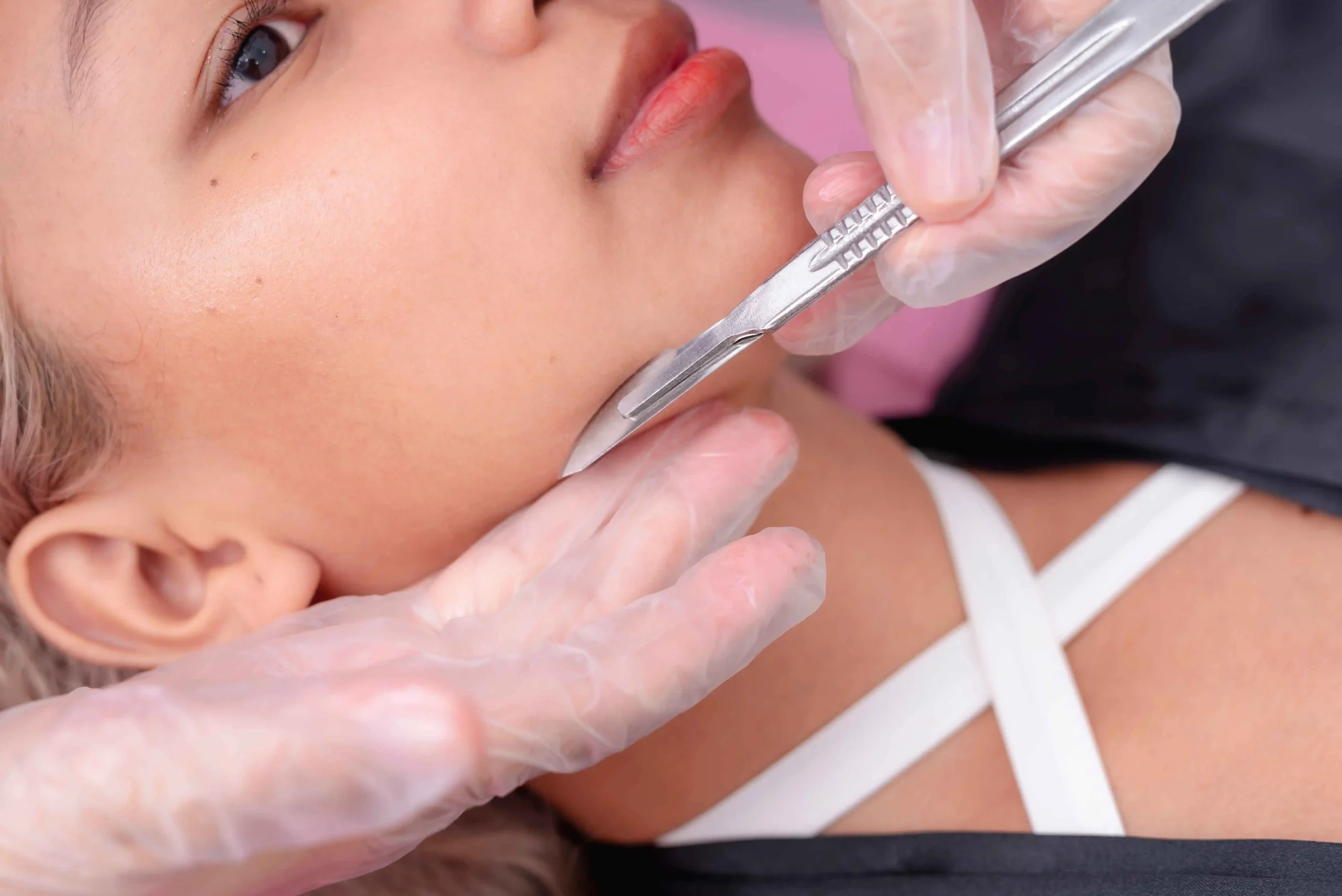
Dermal fillers refer to injectable gel-like products placed beneath the skin. They are specifically formulated to restore support, soften folds, or enhance facial contours. Fillers are often used where the face has lost fullness, such as the cheeks, lips, nasolabial folds, marionette lines, jawline, chin, and under-eye hollows when appropriate.
Fillers do not relax muscle movement. Instead, they help replace or support what has changed with age, weight fluctuation, genetics, or natural facial anatomy. A fold near the mouth may look deeper because the midface has less support. Lips may look thinner because natural volume has changed over time.
Different filler materials serve different purposes. Hyaluronic acid fillers are often used for soft, flexible volume. Calcium hydroxylapatite fillers can provide firmer support in select areas. Poly-L-lactic acid works gradually by helping improve facial volume over time.
Botox or Fillers for Wrinkles: Matching Treatment to the Line
Patients searching for Botox or fillers for wrinkles usually want a direct answer, but the face rarely gives one simple category. A wrinkle’s location, depth, and behavior matter.
If a line appears with movement and fades when the face is relaxed, Botox may be the more appropriate option. This often applies to forehead lines, frown lines, and crow’s feet. If a line remains visible at rest and is related to volume loss or tissue support, filler may be considered. This often applies to smile lines, marionette lines, and hollow areas.
Fine lines can need a closer look. Some are movement-related and may respond to Botox. Others come from skin texture, sun exposure, or collagen loss, which may require skin treatments rather than injectables alone. The best treatment for fine lines and wrinkles depends on identifying the source of the change before choosing a product.
| Treatment | Best For | How It Works | Common Areas | Typical Longevity |
| Botox | Expression lines | Relaxes targeted facial muscles | Forehead, frown lines, crow’s feet | About 3 to 4 months |
| Dermal Fillers | Volume loss and deeper folds | Adds soft support beneath the skin | Lips, cheeks, smile lines, under-eyes, jawline | About 6 months to 2+ years, depending on filler type |
| Combination Plan | Multiple aging concerns | Uses Botox for movement lines and fillers for volume | Upper, mid, and lower face | Varies by treatment area |
A Practical Look at Anti-Aging Treatments
The phrase “anti-aging treatments” and Botox fillers can make it sound as if these options are competing for the same job. In practice, they usually play different roles. Botox is more about movement control. Filler is more about volume, contour, and support.
This distinction matters because a natural-looking result often comes from restraint. A forehead does not need filler when the issue is overactive muscle movement. A hollow cheek does not need Botox when the issue is lost support.
Many patients looking into non-surgical anti-aging treatments want to look rested, not drastically different. That kind of result begins with conservative planning. A provider should assess facial movement, facial proportions, skin thickness, existing volume, and personal preferences before recommending Botox, filler, or another treatment.
Can Botox and Fillers Be Used Together?
Botox and fillers can be used together, but they do not always need to be done at the same appointment. A combined plan may make sense when a patient has both expression lines and volume-related changes.
For example, Botox may be used to soften frown lines or crow’s feet, while filler may be used to support the cheeks or smooth lower-face folds. This does not mean more treatment is better. It means each concern is addressed with the method that fits its cause.
Choosing the Right Option in Destin, FL
Patients comparing anti-aging treatments in Destin, FL, should start with an evaluation rather than a product preference. It is common to arrive thinking Botox is needed and learn that filler is more appropriate, or the other way around.
Botox may be recommended when muscle movement is the main cause of lines. Fillers may be recommended when volume, contour, or support is the concern. Skin quality may require a different plan altogether, especially when texture, pigmentation, or laxity is the main issue.
VIVANAMD Dermal Fillers in Destin, FL
VIVANAMD offers dermal fillers in Destin, FL, for patients who want a non-surgical way to address volume loss, fine lines, and facial contour changes. Dermal filler treatments are planned around the area being treated, the patient’s anatomy, and the type of result that fits the face naturally.
At VIVANAMD, providers may use FDA-approved filler options such as Juvederm, Restylane, Revanesse Versa, the RHA collection, Radiesse, and Sculptra® Aesthetic. These products can include hyaluronic acid, calcium hydroxylapatite, and poly-L-lactic acid formulas. Each option has a different texture, purpose, and expected duration.
Common filler areas include the lips, cheeks, nasolabial folds, under-eye hollows, chin, and jawline. Patients interested in lip fillers in Destin, Florida, may want subtle hydration, shape refinement, or volume restoration. Others may be focused on cheek support, lower-face folds, or overall facial balance.
Book your consultation in Destin, FL today.
Frequently Asked Questions
What is the main difference between Botox and dermal fillers?
Botox relaxes targeted facial muscles, while dermal fillers restore volume and support beneath the skin.
Is Botox or filler better for forehead wrinkles?
Botox is usually better for forehead wrinkles because they are often caused by repeated muscle movement.
Are fillers better for smile lines?
Dermal fillers may help soften smile lines when they are related to volume loss or reduced facial support.