Packages & Memberships
Skip to content


Table of Contents
Sun exposure leaves more than a temporary tan. Over the years, time spent outdoors can lead to brown spots, scattered freckles, and patches of uneven pigmentation. These changes often become noticeable long after the original exposure, particularly on the face, chest, and hands.
Skincare products may help improve discoloration, but stubborn spots sometimes need a different approach. IPL photofacial for sun damage uses controlled pulses of light to address excess pigment beneath the skin’s surface. Understanding how the treatment works can help you decide if it belongs in your skincare plan.
Can IPL Photofacial Prevent Sun Spots and Age Spots From Returning?
IPL photofacial can reduce existing sun spots and age spots by targeting excess pigmentation with controlled pulses of light, but it cannot prevent new discoloration from developing. Consistent sunscreen use, protective clothing, and limiting excessive sun exposure can help maintain treatment results and reduce the likelihood of new pigmentation.
Why Sun Damage Causes Dark Spots
Ultraviolet (UV) radiation stimulates melanocytes, the cells responsible for producing melanin. This pigment gives the skin its natural color and helps protect it from UV exposure.
Repeated exposure can disrupt normal pigment production. Instead of developing evenly, melanin accumulates in certain areas, forming noticeable dark spots.
Age spots, medically called solar lentigines, are especially common on frequently exposed skin. Despite their name, they result primarily from accumulated sun exposure rather than aging alone.
These spots are generally harmless, but new, changing, or unusual pigmentation should be examined by a dermatologist before cosmetic treatment.
How Does IPL Photofacial Target Sun Damage?
Intense pulsed light (IPL) uses a broad spectrum of light wavelengths rather than the single wavelength associated with many lasers.
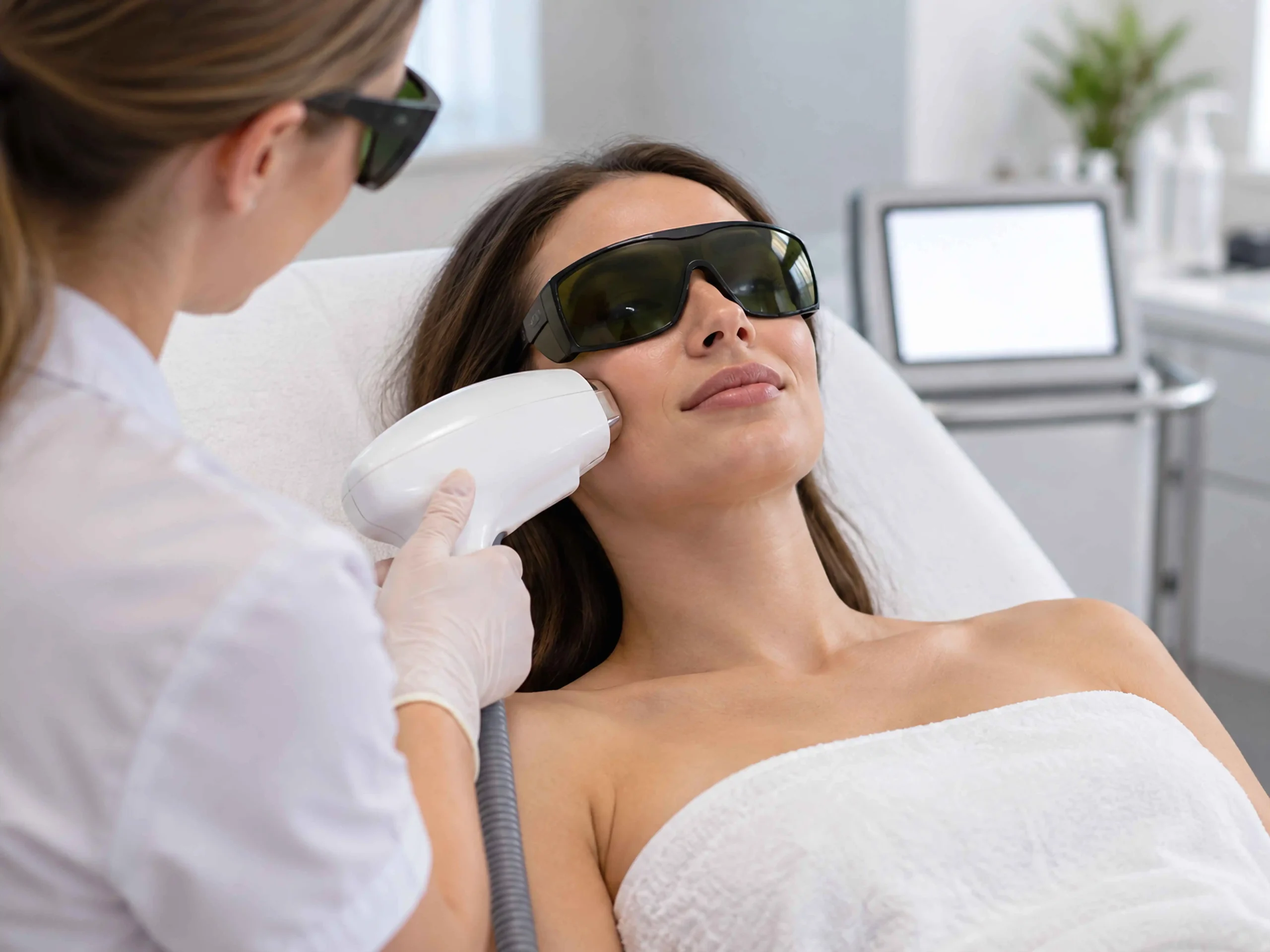
During treatment, light passes through the skin and is absorbed by melanin concentrated within pigment lesions. The absorbed energy generates heat, helping break down targeted pigment so the body can gradually clear it.
This process makes IPL for sun spots useful for reducing visible discoloration without removing the entire outer skin layer.
IPL also targets hemoglobin in blood vessels, allowing certain devices to address facial redness alongside pigmentation.
However, IPL does not reverse every form of UV-related cellular damage or eliminate the risk of future sun spots.
What Skin Concerns Can IPL Photofacial Improve?
Different types of discoloration respond differently to light-based treatment. A professional assessment helps determine which concerns are appropriate.
- Sun spots: Flat brown patches caused by cumulative UV exposure may gradually fade following treatment.
- Age spots: Concentrated pigment associated with IPL age spots treatment can become less noticeable over several sessions.
- Freckles: Some freckles may lighten, although continued sun exposure can cause them to return.
- Uneven skin tone: Scattered areas of pigmentation may respond to IPL, improving overall color consistency.
- Facial redness: Certain visible capillaries and redness associated with sun exposure may also improve.
IPL is not appropriate for every hyperpigmentation treatment concern. Melasma, for example, may worsen with heat or light exposure, making accurate diagnosis essential.
What Happens During an IPL Photofacial Session?
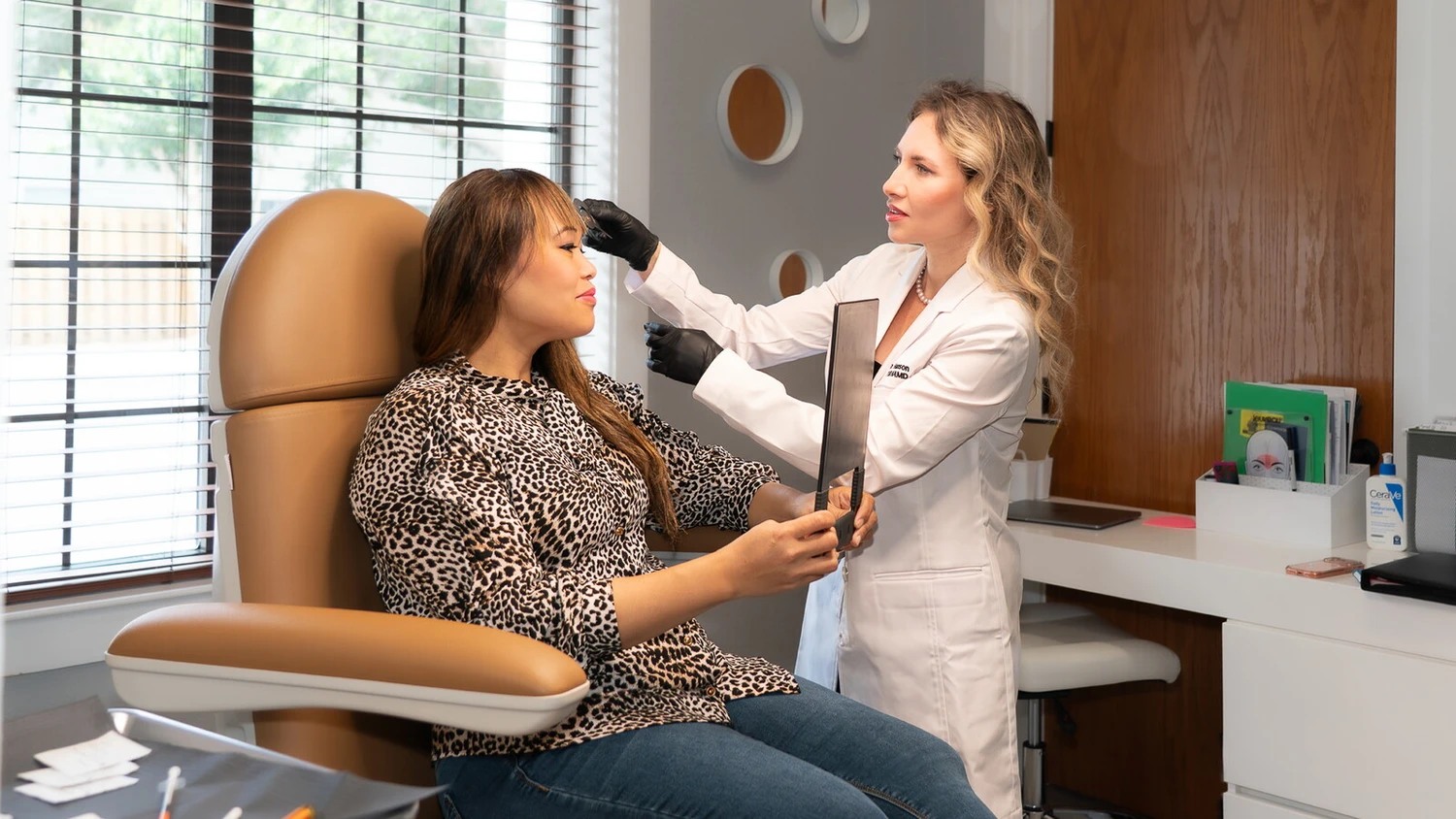
Treatment begins with an assessment of your skin tone, pigmentation, medical history, and recent sun exposure.
Once the treatment area is prepared, the provider applies the IPL handpiece to the skin. Each pulse may feel like a brief snap accompanied by warmth.
Sessions commonly last approximately 20 to 30 minutes, depending on the area being treated.
Temporary redness, mild swelling, or darkening of pigmented spots can occur afterward. Darkened areas may gradually flake away as the skin renews itself.
Unlike aggressive resurfacing procedures, IPL generally involves limited downtime. Nevertheless, recovery varies, and patients should avoid picking at treated spots.
When Will Sun Spots Start to Fade?
Visible changes often develop gradually rather than immediately after an appointment.
Some pigmented lesions initially appear darker before beginning to lighten over the following days or weeks. This temporary change can be part of the normal response to treatment.
The number of sessions depends on the depth of pigmentation, treatment area, and individual skin response.
For patients considering sun damage treatment, improvement should be evaluated over a series of appointments rather than judged solely by the first session.
Who Should Consider IPL Photofacial?
IPL may be appropriate for adults bothered by visible sun spots, freckles, or uneven pigmentation, particularly when these concerns are relatively superficial.
However, suitability depends on more than the appearance of discoloration.
People with recently tanned skin, certain darker skin tones, active infections, or photosensitizing medications may face increased risks. Burns and unwanted pigment changes are possible when treatment settings are unsuitable.
A qualified provider should assess these factors and determine if another treatment would be safer.
How Can You Maintain Results After IPL?
Protecting treated skin from additional ultraviolet exposure is essential for maintaining improvements.
Use broad-spectrum sunscreen with SPF 30 or higher daily, reapplying as directed during extended outdoor activities.
Wide-brimmed hats, shade, and protective clothing provide additional coverage, particularly during peak sunlight hours.
Patients should also follow their provider’s skincare instructions and avoid irritating products during the initial recovery period.
IPL can reduce existing pigmentation, but consistent sun protection helps limit the development of new spots.
VIVANAMD IPL Photofacial in Destin, FL
At VIVANAMD, we offer Lumecca IPL photofacial treatments for individuals seeking to improve visible pigmentation, age spots, and facial redness through non-surgical care.
Our Lumecca system uses intense pulsed light technology to target selected pigmented and vascular concerns while keeping recovery relatively brief.
For patients researching IPL photofacial in Destin, FL, we begin by evaluating their skin concerns and determining whether light-based treatment is appropriate.
Our team also considers recent sun exposure, skin tone, and treatment expectations when planning sessions.
Our approach to sun damage treatment in Destin focuses on improving existing discoloration while emphasizing realistic outcomes and ongoing sun protection.
If you’re exploring IPL for sun spots in Destin, we welcome you to schedule a consultation at VIVANAMD to discuss your options.
Frequently Asked Questions
Is IPL Photofacial Painful?
Most patients experience brief snapping or warming sensations during treatment, although individual sensitivity varies.
Can IPL Remove All Sun Damage?
IPL can reduce certain visible signs of sun damage but cannot repair every form of UV-related skin injury.
How Many IPL Sessions Are Usually Needed?
Some patients notice improvement after one session, while others benefit from two or three treatments.