Packages & Memberships
Skip to content
Packages & Memberships
Skip to content 

Table of Contents
Some changes are easy to blame on age until they start affecting your sleep, mood, energy, weight, or sex drive more than expected. That is when it makes sense to ask whether your body is simply changing over time or whether a hormone imbalance may be part of the picture.
Aging and hormone changes can overlap, so the difference is not always obvious. Timing, symptom patterns, and how much those symptoms affect daily life can help guide the next step. At Vivana MD, Bioidentical Hormone Therapy in Destin, FL, is personalized around your symptoms, hormone levels, and goals.
How can you tell the difference between hormone imbalance and aging?
Hormone imbalance and aging can feel similar since it both affects energy, mood, sleep, weight, and libido. The difference is usually in the pattern. Aging tends to happen slowly, while a hormone imbalance may show up in several ways at once, feel more disruptive, or become harder to manage even when your routine has not changed much. A consultation and hormone testing can help you get a clearer answer.
Why Hormone Imbalance And Aging Are Often Confused
Aging and hormones are closely connected, so the symptoms can be hard to separate. Both can affect how you sleep, think, feel, and function throughout the day.
The confusing part is that both aging and hormone imbalance symptoms can involve:
- Lower energy
- Sleep changes
- Mood changes
- Weight gain
- Reduced libido
- Brain fog
- Changes in skin, hair, or muscle tone
Aging usually develops gradually. A hormone shift may feel more noticeable, especially when several symptoms appear together or worsen faster than expected. That does not mean every symptom is hormonal. It means your body may be showing a pattern worth checking.
Common Symptoms That Can Overlap
Some symptoms are not clear-cut. Fatigue, weight changes, mood swings, and low motivation can come from stress, poor sleep, aging, or a fatigue hormone imbalance.
Many people start questioning their hormones when their usual routine no longer feels like enough. You may be eating the same way, staying active, and trying to rest, yet still feel drained or stuck.
Common overlapping symptoms include:
- Poor sleep or waking up unrested
- Irritability, anxiety, mood swings, or low motivation
- Low stamina or feeling drained sooner than usual
- Reduced sexual desire or intimacy changes
- Brain fog, trouble focusing, or forgetfulness
- Drier skin, thinning hair, or midsection weight changes
Because these symptoms can have more than one cause, the goal is not to self-diagnose. The goal is to notice whether changes are mild and gradual, or more sudden, persistent, and disruptive.
Signs Your Symptoms May Be Hormone-Related
A hormone imbalance may be more likely when symptoms show up around a hormonal shift. For women, that can happen during perimenopause, menopause, or after childbirth. For men, low testosterone may play a role in andropause symptoms like low energy, reduced strength, mood changes, and lower libido.
Hormone-related symptoms usually feel harder to ignore. Sleep problems, night sweats, hot flashes, low libido, vaginal dryness, or mood changes may show up together. You may feel like your body is acting differently, even though your habits have not changed much.
A few clues that hormones may be involved include:
- Symptoms came on suddenly or worsened within a shorter period
- Sleep, mood, energy, and libido changed around the same time
- Weight gain feels harder to manage than usual
- Symptoms affect work, relationships, confidence, or daily comfort
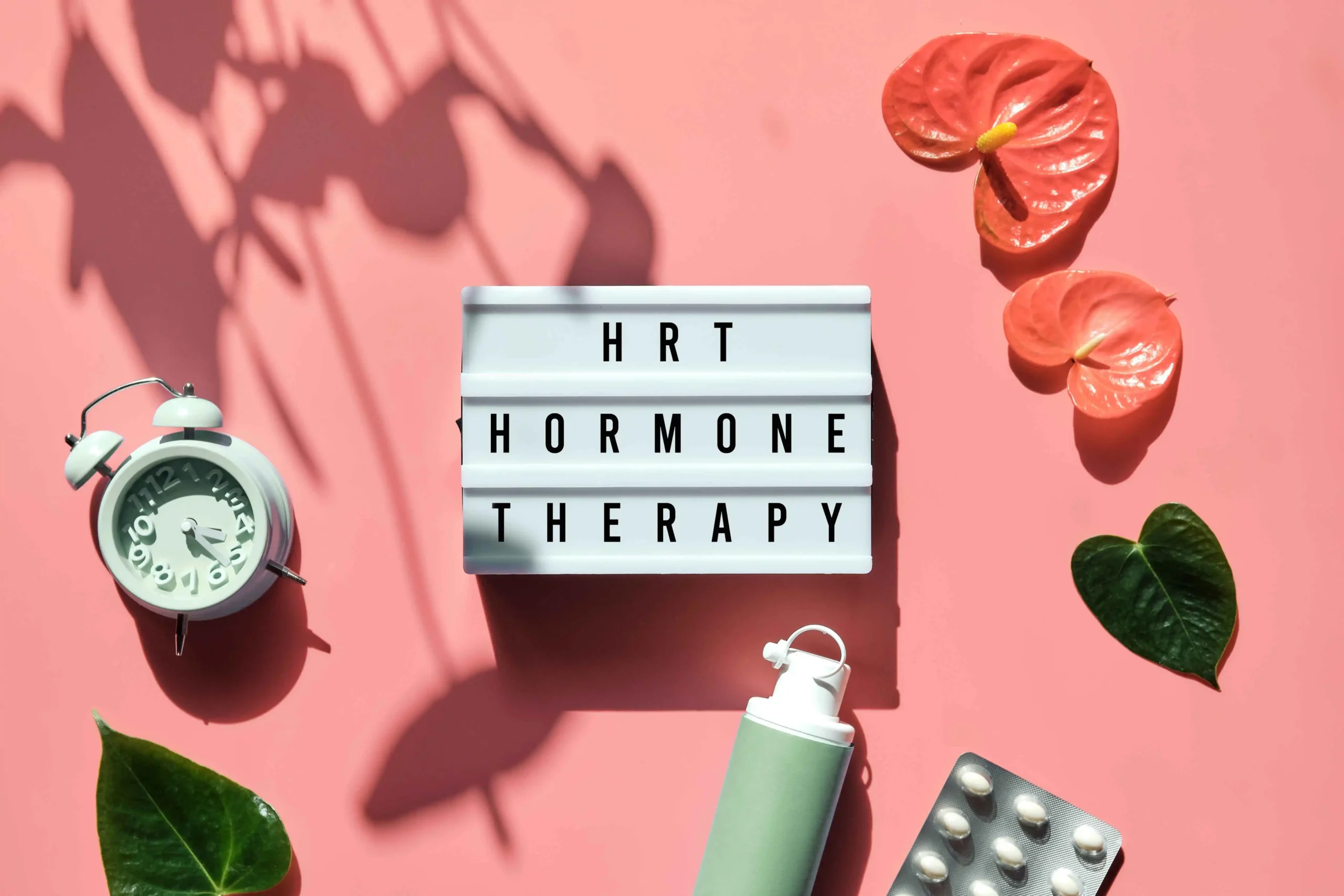
At Vivana MD, Bioidentical Hormone Therapy is used to support hormonal imbalances linked to menopause, perimenopause, and other hormonal conditions. Treatment options may include creams, gels, patches, pills, or subcutaneous pellets, depending on your needs.
Signs Your Symptoms May Be More Age-Related
Aging may be more likely when changes develop slowly and remain manageable. For example, needing more recovery time after exercise, noticing gradual skin changes, or feeling a slight shift in stamina over several years may be part of the natural aging process.
Some age-related changes may look like:
- Gradual changes over several years
- Mild symptoms that do not strongly disrupt daily life
- Slower recovery after workouts, long days, or poor sleep
- Skin, hair, or body composition changes that happen slowly
- Energy changes that improve with better rest, nutrition, or routine adjustments
Still, “normal aging” should not be used to brush off symptoms that affect daily life. If you are dealing with constant exhaustion, night sweats, mood changes, or less interest in intimacy, it may be worth taking a closer look.
Daily habits also factor in. Stress, poor sleep, nutrition, alcohol use, medications, and activity level can all affect energy, mood, weight, and sleep. Sometimes, it is not just aging or hormones. It can be a mix of both.
That is why a provider-guided evaluation helps. It gives you a clearer next step instead of guessing.
How Testing Helps Clarify The Difference
Symptoms can give you clues, but testing helps confirm whether your hormone levels are part of the issue. At Vivana MD, Bioidentical Hormone Therapy begins with a consultation, hormone level testing, and a treatment plan based on what your body actually needs.
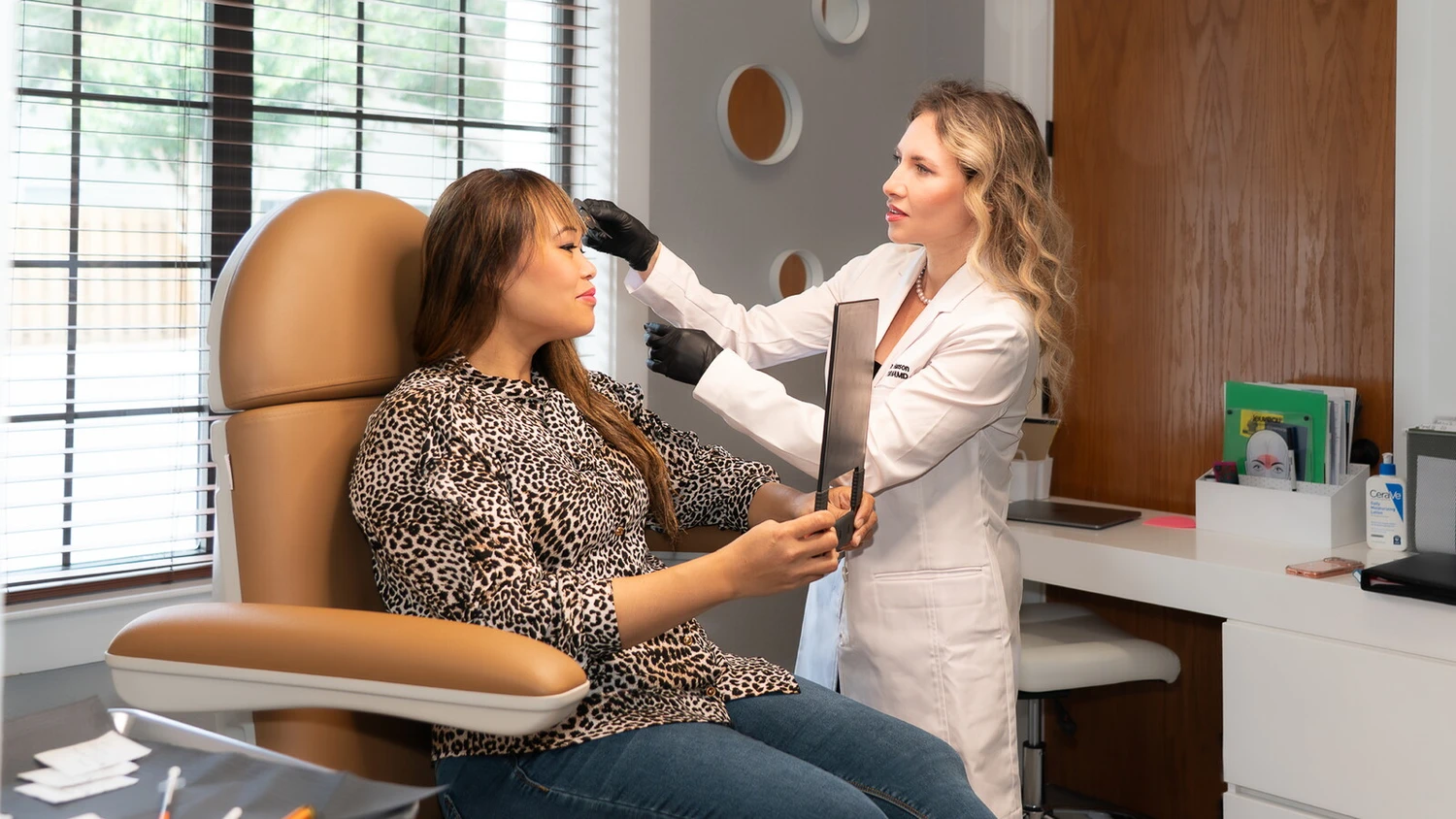
A hormone consultation also looks at your symptoms, health history, lifestyle, goals, and how long the changes have been happening. If you are searching for hormone therapy, Destin, FL, bioidentical hormones in Destin, Florida, or hormone replacement therapy near Destin, this evaluation can help clarify whether treatment may be appropriate.
When Bioidentical Hormone Therapy May Be Considered
Bioidentical hormone therapy may be considered when symptoms and testing suggest that hormone levels are affecting how you feel. These hormones are structurally similar to the hormones naturally produced by the body, and hormone replacement therapy should be customized to your levels, symptoms, and needs.
This type of care may help support concerns like low energy, mood changes, sleep disruption, hot flashes, night sweats, reduced libido, and changes connected to menopause or perimenopause. Potential hormone therapy benefits may include better energy, improved sleep patterns, mood support, libido support, and relief from hot flashes or night sweats.
Treatment is not one-size-fits-all, and results can vary. That is why a consultation matters before starting any hormone therapy plan.
How To Decide What To Do Next
A practical first step is to track your symptoms for a few weeks. Note what you feel, when it happens and how intense it is. Pay attention to sleep, energy, mood, weight changes, libido, cycle changes, hot flashes, night sweats, and stress levels.
This can help your provider see whether your symptoms look more like gradual aging, a possible hormone imbalance, or a combination of factors.
Try not to decide based on age alone. Feeling off may be common, but you do not have to ignore it. The right evaluation can help you understand what your body may need and whether bioidentical hormone therapy is worth considering.
Feel More Like Yourself With A Clearer Plan
When your body feels different and you cannot tell why, it can be hard to know what to do next. At Vivana MD, our team offers personalized Bioidentical Hormone Therapy in Destin, FL, for patients who want a clearer look at their symptoms, hormone levels, and treatment options. If your symptoms feel persistent, disruptive, or hard to explain, schedule your hormone therapy consultation today with Vivana MD to discuss whether hormone evaluation and treatment may be right for you.